Loading…
→ Back to home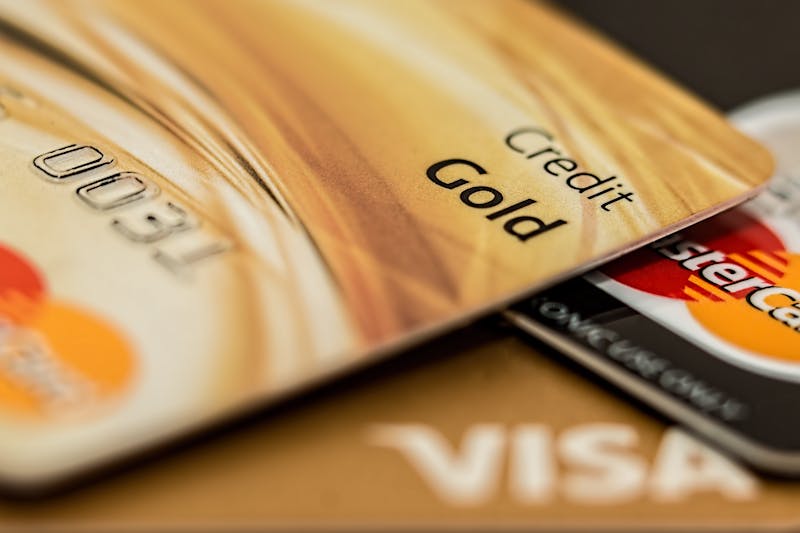 🏦 Banking
🏦 BankingGirocard vs Mastercard/Visa in Germany: Which Card Should You Use and When?
2025-08-04
Learn the real difference between Girocard and Mastercard/Visa in Germany — when to use each, what they cost, and how to avoid common payment mistakes.
When you first open a German bank account, you might be surprised to receive two cards instead of one — or to find that your shiny new card doesn't work at certain shops. Germany's payment system has its own quirks, and understanding the difference between Girocard and Mastercard/Visa can save you real money and a lot of embarrassment at the checkout counter.
This guide breaks down exactly what each card does, where each one works, what fees are involved, and how to build a smart card strategy as someone new to Germany — whether you're starting an Ausbildung in Munich, working in Frankfurt, or studying in Berlin.
What Is a Girocard (and Why Does Germany Still Love It)?
The Girocard is Germany's domestic debit card system. It was previously known as the EC-Karte (electronic cash card), and you'll still hear Germans call it that. Almost every German bank account — from Deutsche Bank to Sparkasse to ING — comes with a Girocard by default.
It works through a German-only network called "girocard" (formerly known as the ZKA system) and is accepted at the vast majority of physical shops across Germany. Think of it as the backbone of German in-store payments.
Where Girocard Works Well
- Supermarkets: REWE, EDEKA, Lidl, Aldi, Penny — all accept Girocard
- Drugstores: dm, Rossmann, Müller
- Gas stations, hardware stores, most German retail chains
- Public transport ticket machines in many cities
- ATMs across Germany (usually free at your own bank's machines)
The reason Germans trust it so much? It's fast, reliable, and almost always fee-free within Germany. Transactions are debited directly from your current account (Girokonto), so there's no risk of overspending beyond your balance.
What Is Mastercard/Visa in the German Banking Context?
Mastercard and Visa are international card networks. In Germany, these come in two forms:
- Credit cards (Kreditkarte): You spend up to a set limit, and the bill arrives at the end of the month
- Debit cards with Mastercard/Visa branding: Increasingly common at online banks like N26, Revolut, and DKB — these debit directly from your account like a Girocard, but run on the Mastercard or Visa network
The key difference is global acceptance. While Girocard rarely works outside Germany (and sometimes not even in Austria or Switzerland), a Mastercard or Visa works in 190+ countries and on virtually every international website.
Common Banks and What They Give You
| Bank | Girocard | Mastercard/Visa | |---|---|---| | Sparkasse | ✅ Yes | Optional (fee-based credit card) | | Deutsche Bank | ✅ Yes | Optional credit card | | DKB | ✅ Yes | ✅ Free Visa debit card | | N26 | ❌ No | ✅ Mastercard debit | | Revolut | ❌ No | ✅ Visa debit | | ING | ✅ Yes | Optional Visa credit card |
If you're opening your first account as a newcomer to Germany, DKB or N26 are often the easiest options — both are available without a German address requirement and offer English-language support.
Fees: What Each Card Actually Costs You
Girocard Fees
- Within Germany: Almost always free — no transaction fee, no currency conversion
- Abroad: Most banks charge €1–5 per transaction plus a 1–2% foreign transaction fee
- ATM withdrawals in Germany: Free at your own bank's ATMs; €4–6 at other banks' machines
Mastercard/Visa Fees
- Standard credit cards in Germany: Often €30–60/year in annual fees; foreign transactions may be free or have a 1–2% fee
- DKB Visa debit: Free account + free card; free ATM withdrawals worldwide (as long as you're an "active customer" — meaning at least one transaction per month)
- N26 Mastercard debit: Free card; €2 fee per ATM withdrawal in Germany (free withdrawals abroad at partner ATMs)
- Revolut Visa: Free plan available; ATM withdrawals free up to €200/month, then 2% fee
Practical example: If you're sending €300/month to Morocco from Germany, a Revolut or Wise account linked to a Visa gives you better exchange rates than using your Sparkasse Girocard to withdraw and transfer manually. The savings can be €10–20 per transaction.
When to Use Girocard vs Mastercard/Visa
Here's a simple decision framework:
Use Your Girocard When:
- Paying at German supermarkets, pharmacies, or retail stores in person
- Withdrawing cash from ATMs inside Germany
- Making everyday purchases in cities and towns — it's faster and always free
- Shopping at weekly markets or smaller German businesses (many only accept Girocard or cash)
Use Mastercard/Visa When:
- Shopping online — almost no German e-commerce site accepts Girocard directly (though PayPal is a workaround)
- Traveling outside Germany — Girocard barely works abroad
- Booking hotels, flights, rental cars — these almost always require an international card
- Paying in restaurants in other European cities
- Subscriptions like Netflix, Spotify, or Amazon — these require an international card
The Cash Reality in Germany
Germany remains unusually cash-heavy compared to Morocco's card-forward urban culture or France's near-universal card acceptance. Many small restaurants, bakeries, and kiosks in Germany still only accept cash (Bargeld). Always keep €20–50 in cash as backup. Some markets and small shops won't take any card at all — Girocard or otherwise.
How to Build a Smart Card Setup as a Newcomer
The ideal setup for a Moroccan moving to Germany for Ausbildung or work looks like this:
- Open a free German bank account with a Girocard — Sparkasse or Volksbank work great if you have a local branch; ING or DKB work well online
- Get a free Visa or Mastercard — DKB's Visa is the gold standard for newcomers: free, worldwide ATM withdrawals, and accepted everywhere
- Keep Revolut or Wise as a third option for sending money to Morocco and managing currency exchange at good rates
- Always carry some cash — €20–30 minimum for daily situations in smaller towns
This three-layer approach covers you for every scenario: daily German shopping (Girocard), online purchases and travel (Visa/Mastercard), and family transfers back home (Revolut/Wise).
What People Get Wrong About Cards in Germany
Mistake 1: Assuming Mastercard/Visa works everywhere in Germany Many newcomers cancel their Girocard thinking an international card is superior. It's not — hundreds of German stores and markets don't accept Mastercard/Visa at all.
Mistake 2: Using a Girocard abroad If you visit Morocco or travel to France for the weekend, your Girocard likely won't work in ATMs or shops. You'll be stuck without cash or access to your account. Always carry your Visa/Mastercard when leaving Germany.
Mistake 3: Ignoring ATM fees Withdrawing cash with a Mastercard from a random German ATM can cost you €5–6 per transaction. Using your Girocard at your own bank's ATM is always free.
Mistake 4: Trying to pay online with Girocard Girocard doesn't have a standard CVV number or the 3D Secure protocol in the way international cards do. Most online checkouts will reject it. Use your Visa or Mastercard for all internet purchases.
Mistake 5: Thinking a credit card is required You don't need a credit card in Germany. A Visa or Mastercard debit card (like DKB's or N26's) works for hotels, car rentals, and online shopping. Some car rental companies do block a security deposit — check in advance.
Conclusion: Use Both Cards, Know When to Reach for Each
Germany's payment landscape is unique. The Girocard dominates in-store payments, while Mastercard and Visa are essential for online shopping, travel, and anything outside Germany's borders. As a newcomer, you don't have to choose — you need both, and ideally a low-cost option like DKB's free Visa debit to keep fees as low as possible.
Setting up your banking correctly from day one makes life much easier during your Ausbildung or first months of work. If you're still navigating the paperwork side of your move — from writing your application to building a German-standard CV — book a consultation with our German immigration specialist (€16) to plan your move, and explore our CV builder to put your best foot forward with German employers.
Frequently asked questions
Share with your friends
Was this article helpful?