Loading…
→ Back to home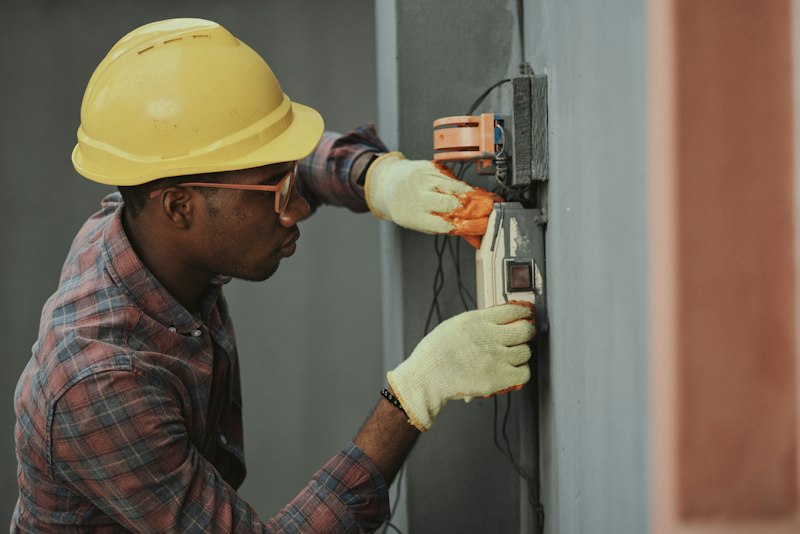 🛠 Ausbildung
🛠 AusbildungTop 10 Most In-Demand Ausbildung Professions in Germany (2025 Guide)
2025-03-25
Discover the 10 most in-demand Ausbildung professions in Germany, with real salary figures and tips to help Moroccans land the right training place.
Germany has over 300 recognized Ausbildung (vocational training) programs — but not all of them are created equal when it comes to job security, salary, and visa sponsorship. If you are a Moroccan planning to move to Germany through an Ausbildung program, choosing the right profession is the single most important decision you will make. This guide breaks down the 10 most in-demand Ausbildung professions in 2025, with real numbers, honest expectations, and practical steps to help you pick the right path.
Why the Right Ausbildung Profession Changes Everything
Germany is facing a structural labor shortage. According to the German Federal Employment Agency (Bundesagentur für Arbeit), over 570,000 training places went unfilled in 2023. That number is rising. This means you have real leverage — but only in sectors where demand is genuinely high.
Choosing a profession in a high-demand sector means:
- Faster visa approval through the Ausbildungsvisum pathway
- Higher training allowances (Ausbildungsvergütung) from day one
- Near-guaranteed job offers after graduation
- Better chances of permanent residency through the skilled worker route
Choosing a low-demand field, on the other hand, means competing with hundreds of local applicants for very few spots.
The Top 10 Most In-Demand Ausbildung Professions in Germany
1. Nurse / Healthcare Assistant (Pflegefachmann/-frau)
Germany's healthcare sector is in crisis-level shortage. The country needs an estimated 500,000 additional nursing professionals by 2030. Training lasts 3 years and is one of the few Ausbildung programs where your tuition is fully paid and you receive a monthly allowance of €1,100–€1,400 depending on the state and employer.
After graduation, average gross salary: €2,800–€3,400/month.
Employers like Caritas, Diakonie, and Helios Kliniken actively recruit internationally and many offer German language support before you arrive.
2. Electrician (Elektroniker/in)
Electrical tradespeople are among the most consistently sought-after professionals in Germany. With the energy transition (Energiewende) driving massive solar, wind, and grid infrastructure projects, demand is exploding. Training lasts 3.5 years.
Training allowance: €800–€1,100/month Post-graduation salary: €3,000–€3,800/month
This profession also opens the door to self-employment and later promotion to Meister (master craftsman) status.
3. IT Specialist (Fachinformatiker/in)
One of the most popular Ausbildung tracks in Germany right now. You can specialize in application development (Anwendungsentwicklung) or systems integration (Systemintegration). Training takes 3 years.
Training allowance: €900–€1,200/month Post-graduation salary: €3,200–€4,500/month
Companies like SAP, Deutsche Telekom, and thousands of mid-sized (Mittelstand) firms offer these positions. English proficiency is highly valued here, which is an advantage for many Moroccans already working in international environments.
4. Mechatronics Technician (Mechatroniker/in)
This profession combines mechanical and electronic engineering — essential for the automotive, robotics, and manufacturing sectors. BMW, Mercedes-Benz, and countless suppliers run Ausbildung programs for this role.
Training duration: 3.5 years Training allowance: €900–€1,200/month Post-graduation salary: €3,000–€4,000/month
5. Warehouse Logistics Specialist (Fachlagerist/in or Fachkraft für Lagerlogistik)
Germany is a logistics hub for all of Europe. Amazon, DHL, DB Schenker, and Lidl all offer Ausbildung positions in logistics. The Fachlagerist is a 2-year program; the Fachkraft für Lagerlogistik is 3 years and more specialized.
Training allowance: €700–€1,000/month Post-graduation salary: €2,400–€3,000/month
Entry requirements are lower than technical fields, making this a realistic option if your German is at B1 level.
6. Cook (Koch/Köchin)
Germany's hospitality sector is severely understaffed. Training lasts 3 years and covers professional kitchen management, food costing, and international cuisine. Cities like Munich, Hamburg, and Berlin offer the highest number of positions.
Training allowance: €700–€950/month Post-graduation salary: €2,200–€3,000/month (higher in hotel restaurants)
7. Social Care Worker (Erzieher/in or Sozialassistent/in)
With Germany's childcare expansion (Kita-Ausbau) ongoing, the demand for trained educators and social care workers is massive. This Ausbildung varies by state (Bundesland) but typically runs 2–3 years.
Training allowance: €1,000–€1,300/month Post-graduation salary: €2,600–€3,300/month
This profession requires strong German (B2 is the realistic minimum) due to the nature of working with children and families.
8. Dental Assistant (Zahnmedizinische/r Fachangestellte/r – ZFA)
Dental clinics across Germany are struggling to find trained assistants. The training lasts 3 years and combines patient care, billing, and clinical support.
Training allowance: €700–€950/month Post-graduation salary: €2,200–€2,800/month
This is an underrated option — competition from local applicants is relatively low, making it a strong opportunity for international candidates.
9. Automotive Mechatronics Technician (Kraftfahrzeugmechatroniker/in – KFZ)
Different from general mechatronics, this specialization focuses on cars, trucks, and electric vehicles. With Germany's EV transition, the demand for KFZ technicians who understand electric drivetrains is growing fast.
Training duration: 3.5 years Training allowance: €800–€1,100/month Post-graduation salary: €2,800–€3,600/month
10. Construction Drafter / Technical Architect (Technische/r Zeichner/in – Fachrichtung Gebäude)
As Germany faces a housing shortage, the construction sector needs more technical drawing and planning professionals. This 3-year program combines CAD software skills with structural knowledge.
Training allowance: €850–€1,100/month Post-graduation salary: €2,800–€3,500/month
How to Choose the Right Ausbildung Profession for You
Don't just pick the highest salary. Think about:
- Your current German level — Nursing and social care require B2; logistics can work with B1
- Your existing background — An IT background? Fachinformatiker makes sense. Worked in hospitality? Cook or hotel management Ausbildung are natural fits
- Physical demands — Construction and electrical trades are physically intensive
- Long-term goals — Want to open your own business? Electrician and KFZ Mechatroniker Meister qualifications make that possible
Use the official job portal make-it-in-germany.com to search open Ausbildung positions by profession, city, and language requirement.
German Language Requirements by Profession
| Profession | Minimum German Level | |---|---| | Nursing / Healthcare | B2 (often B2+ for exams) | | IT Specialist | B1–B2 | | Electrician | B1 | | Logistics Specialist | B1 | | Social Care | B2 | | Cook | B1 | | KFZ Mechatroniker | B1 |
Many Ausbildung employers in technical fields accept B1 candidates and provide in-company German support. However, if your German is below B1, focus on language first — it is the real bottleneck, not your qualifications.
What People Get Wrong About Ausbildung Professions
Mistake 1: Applying for any open position without research. Not all Ausbildung places are equal. A position at a small family business in a rural area may offer €650/month. A position at a large company like Bosch or Deutsche Bahn may offer €1,100+. Always compare offers before accepting.
Mistake 2: Assuming the highest-demand professions are the easiest to enter. Nursing is extremely in demand — but it also requires you to pass the Anerkennungsberatung process for recognition of any prior healthcare experience, and your German must be solid by the start date.
Mistake 3: Ignoring state-specific differences. Germany's 16 states (Bundesländer) have different allowances, different training structures, and different labor markets. Bavaria (München) and North Rhine-Westphalia (NRW) tend to have the most Ausbildung positions overall. Brandenburg and Saxony have lower costs of living but also fewer positions.
Mistake 4: Not customizing the application. A generic Bewerbung (application) with a copied cover letter will not work. German employers — especially small and medium ones — expect a tailored Anschreiben that shows you know their company specifically. This is the most common reason international applicants get rejected at the first step.
Mistake 5: Waiting until you arrive in Germany to start applying. The best Ausbildung positions are filled 6–12 months in advance. You should be sending applications while still in Morocco.
Conclusion
Germany's Ausbildung system is one of the most accessible and well-paying vocational pathways in Europe — and for Moroccans with the right preparation, it is a realistic, structured route to a stable life in Germany. The 10 professions listed here all have genuine, sustained demand, fair training wages, and clear career paths after graduation.
Your next step is to match your German level and background to the right profession, then build an application that actually gets read. Book a consultation with our German immigration specialist (€16) to plan your move — and use our CV builder and Anschreiben generator to create documents that German employers take seriously.
Frequently asked questions
Share with your friends
Was this article helpful?